 0121 312 3222 (Mon-Fri)




Best Mats for LVT and Vinyl Flooring: What’s Safe and What to Avoid

If you’ve just had new LVT, LVP or vinyl flooring fitted and you’re wondering which mats are safe to use, you’re asking exactly the right question at exactly the right time. Choosing the wrong mat for LVT flooring is a surprisingly common mistake, and the consequences can be permanent — professional LVT fitting in the UK averages around £45 per m² according to Checkatrade, meaning even a small area of damaged flooring can cost hundreds of pounds to repair or replace. The good news is that with the right information, protecting your new floor is straightforward.
Key Takeaways
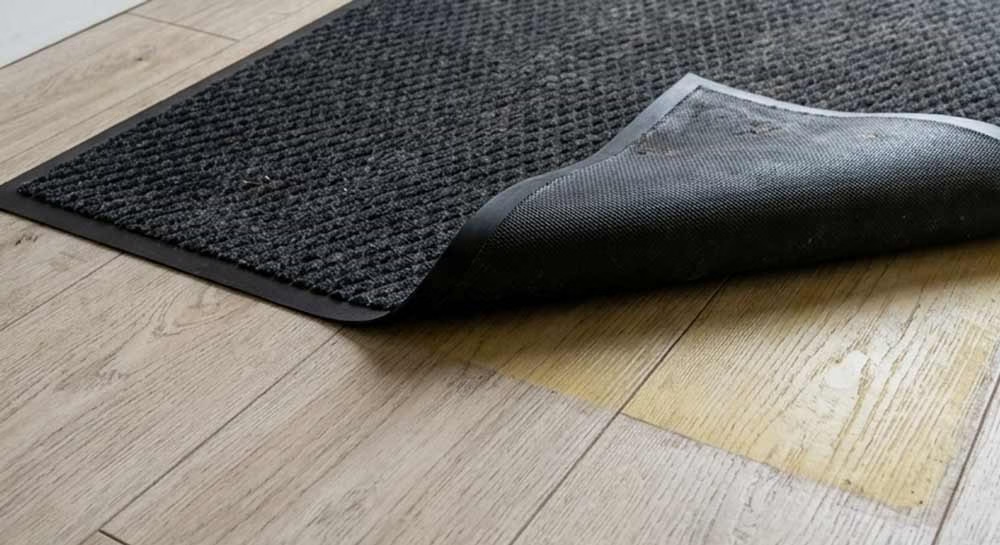
- Rubber and latex-backed mats can permanently stain LVT and vinyl flooring through a chemical process called antioxidant staining. This discolouration cannot be cleaned off.
- The chemical responsible is called BHT (Butylated Hydroxytoluene), an antioxidant used in rubber manufacturing that migrates into the plasticisers within the vinyl wear layer.
- Underfloor heating significantly increases the risk of BHT migration, as warmth accelerates the chemical transfer process.
- Vinyl or TPE backed mats are a better choice for LVT, Amtico and Karndean flooring. Because vinyl and TPE backing lacks traditional rubber antioxidants, it minimises the risk of chemical discolouration.
- Coir mats with PVC backing are also safe for loose laying on LVT and vinyl floors, offering a natural-fibre alternative.
- Teebaud underlay can reduce risk when used beneath existing mats by creating an air gap and reducing direct chemical contact with the floor.
- Browse our full range of LVT and vinyl safe mats to find the right solution for every room in your home.
Why Flooring Suppliers Warn Against Rubber-Backed Mats on LVT and Vinyl Flooring
When your floor fitter or supplier warns you away from rubber-backed mats, they’re not being overly cautious. There’s a very real and well-documented chemical reaction at the heart of this concern.
Rubber contains a chemical called Butylated Hydroxytoluene (BHT), which is used as an antioxidant during the manufacturing process to prevent rubber from degrading. The problem is that BHT doesn’t stay put. Over time, it migrates out of the rubber backing and into any material it sits against, including the plasticisers that make up the wear layer of your LVT or vinyl flooring.
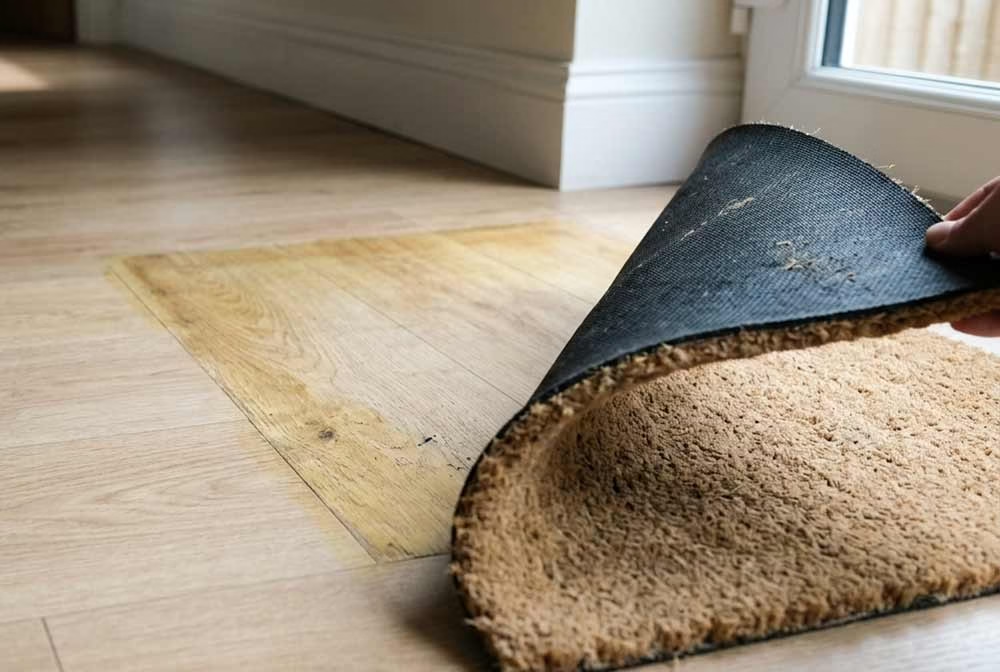
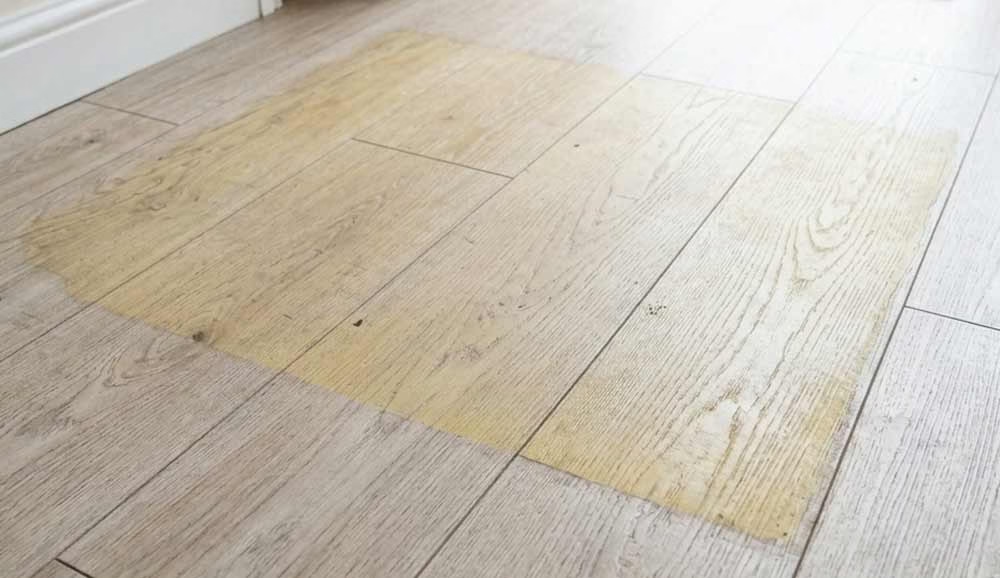
When BHT reacts with those plasticisers, it causes yellowing or discolouration within the flooring itself. This isn’t surface dirt or a stain you can mop away. It’s a chemical change inside the material, known in the trade as antioxidant staining or sometimes “rubber burn.”
Major flooring manufacturers are clear about this. Both Amtico and Karndean include explicit warnings against rubber and latex-backed mats in their official written care guides and legal warranty documentation, and Polyflor’s technical documentation raises the same concern. The Flooring Industry Technical Association (FITA) also recognises antioxidant staining as a known risk factor for vinyl and LVT floor coverings.
Underfloor heating makes the problem significantly worse. Warmth accelerates chemical migration, so a mat that might cause minimal discolouration on a cold floor could rapidly stain the same floor installed over underfloor heating or in a sunny, south-facing room. If you have UFH, this is an important thing to get right.
What About Latex-Backed Mats? Are They Safe on Vinyl Flooring?
Latex backing is another very common mat backing, and unfortunately, it carries similar risks to rubber. Latex is a natural polymer that also contains antioxidants and processing chemicals that can migrate into vinyl flooring over time.
Some latex backings also contain sulphur compounds, which can cause additional and sometimes more visually dramatic staining on light-coloured LVT and vinyl floors.
The same precautions that apply to rubber-backed mats apply equally to latex-backed mats. If you’re choosing mats for LVT flooring, Karndean, or Amtico floors, both rubber and latex backings should be avoided to ensure you stay in complete compliance with your manufacturer’s written warranty.
Why Do Some Customers Have No Problems With Rubber-Backed Mats on Vinyl Floors?
This is a question we hear regularly, and it’s a fair one. If rubber-backed mats are so problematic, why do some homeowners use them for years without any visible damage?
The honest answer is that the risk isn’t uniform. Several factors influence whether antioxidant staining occurs:
- Flooring formulation: Not all LVT and vinyl flooring is equally susceptible. Some manufacturers use more resistant wear layer formulations, making their products less vulnerable to BHT migration.
- No underfloor heating: Cooler floor temperatures slow chemical migration considerably. Without UFH, a mat that would cause rapid staining over a heated floor may cause no visible damage at all over years of use.
- Airflow beneath the mat: Good ventilation under and around the mat reduces the concentration of migrating chemicals and slows the staining process. Regular lifting for cleaning beneath also helps.
- The quality and age of the rubber backing: Older or lower-quality rubber may actually leach more BHT than newer formulations, but some cheaper rubber backings are also more prone to degradation. The inconsistency is genuinely frustrating from a consumer perspective.
- Mat size and placement: Smaller mats with more edge ventilation pose less risk than large mats covering a significant area of floor with no airflow.
None of these factors make rubber-backed mats safe on LVT or vinyl flooring. They simply explain why the outcome is inconsistent, and why taking a chance isn’t worth the potential cost.
Did You Know?
Luxury Vinyl Tile (LVT) is the fastest-growing segment in the UK flooring market, with an annual growth rate of 7.69% projected through 2031. (Source: Mordor Intelligence)
What Can You Do to Reduce Risk if You Already Have Rubber or Latex-Backed Mats?
If you’ve already got rubber or latex-backed mats in place, or if you particularly want to use a mat you already own, there are steps you can take to reduce the risk of antioxidant staining on your LVT or vinyl flooring.
- Lift and air the mat at least once a week. This breaks the constant contact between the backing and the floor, allowing any accumulated chemicals to disperse.
- Clean the floor beneath regularly. Wiping down the area under the mat prevents any chemical residue from sitting undisturbed against the floor surface.
- Avoid use over underfloor heating or in warm, sunny rooms wherever possible. If you have UFH and are attached to a particular rubber-backed mat, consider moving it to a room without UFH.
- Choose an appropriately sized mat. Larger mats trap more moisture and reduce airflow, both of which worsen the conditions for chemical migration.
- Never leave a mat in place for extended periods without checking beneath. If staining is going to occur, catching it early means you can remove the mat before the damage becomes widespread.
These steps reduce risk, but they don’t eliminate it. If you want genuine peace of mind, the better solution is to choose a mat that’s genuinely safe for your floor from the outset.
The Safest Mats for LVT and Vinyl Flooring
The good news is that there’s a wide range of mats which minimise the risks of discolouration on LVT, Amtico, Karndean and vinyl flooring — and many of them are excellent mats in their own right.
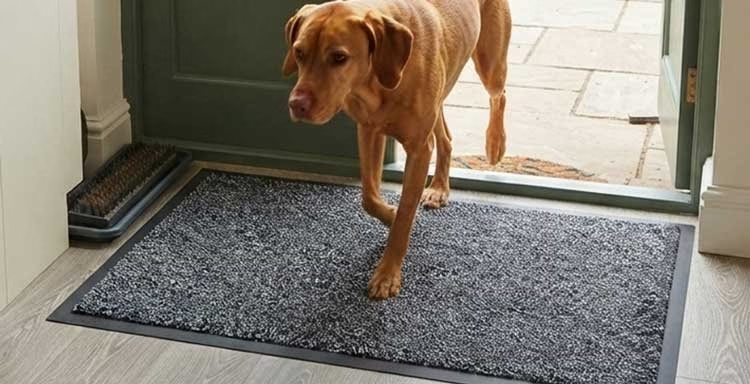
MuckStopper Eco: The Best Washable Dirt Stopper
The MuckStopper Eco is our top recommendation for homes that need both high-performance dirt capture and 100% floor safety. Made with a premium TPE backing, it is completely rubber-free and explicitly designed to be safe for LVT, Amtico, and Karndean floors.
Unlike traditional mats, it lies perfectly flat without curling, cracking, or creasing, and the dimpled reverse promotes essential airflow to keep your sub-floors dry and protected. Being machine washable at 30°C, it is an ideal, high-absorbency barrier for busy households, particularly those with pets or children.
Vinyl-Backed Mats: The Number One Recommendation for Custom Lengths
For internal mats and hallway runners, vinyl-backed mats remain our primary recommendation for a reliable, floor-compatible alternative to rubber. Because they lack the BHT antioxidants known to cause staining, they minimise the risk of chemical discolouration.
- Velour Vinyl Mats: Available in custom lengths or a variety of standard sizes, these mats provide a highly compatible, floor-safe solution. Having the option of custom lengths ensures you get the perfect fit for your hallway without compromise.
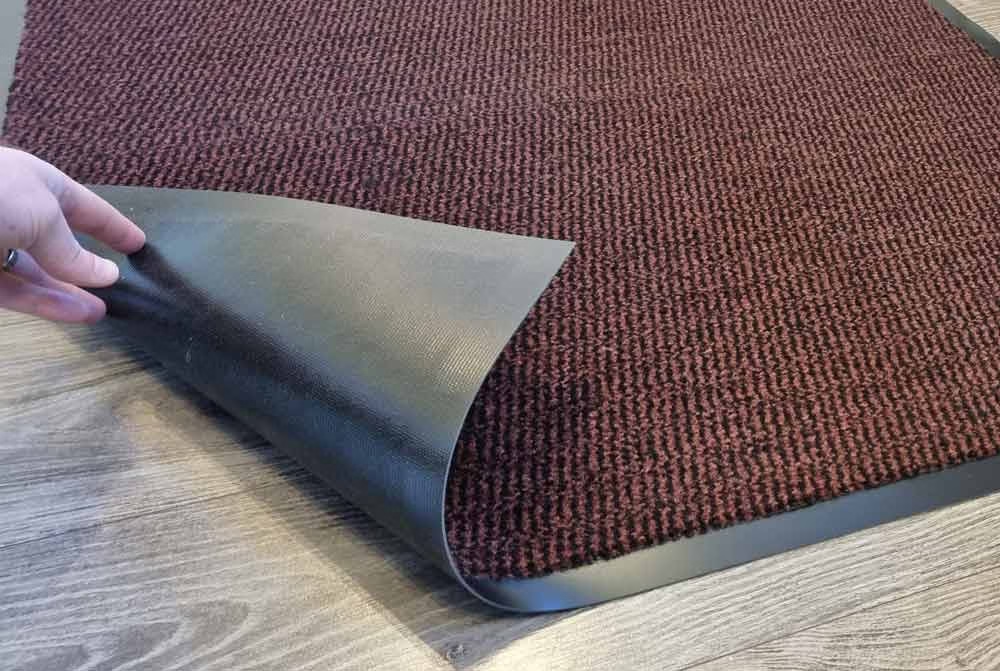
- Rib Vinyl Mat: For areas requiring a more practical, high-traffic option, the Rib Vinyl Mat provides durable performance with the same floor-safe vinyl backing in standard sizes. It is a reliable workhorse for your home
Understanding Vinyl-on-Vinyl: What About Plasticiser Migration?
If you are researching online, you might read that vinyl or PVC backings can also react with LVT floors. It is important to know that this is a completely different process called plasticiser migration.
Flexible vinyl (both your premium flooring and the mat’s backing) utilises plasticisers to stay flexible. If two different vinyl surfaces are pressed together under heavy traffic and left completely undisturbed for months, these plasticisers can sometimes slowly migrate between the materials. This does not cause the permanent, ruinous yellow chemical burn associated with rubber backings. Instead, it can occasionally lead to minor, faint surface dulling or a slightly tacky texture.
Because this is mechanical rather than a deep chemical burn, it is completely preventable. Simply lifting and airing your vinyl-backed mat once a week to let the floor breathe removes the constant contact needed for migration to occur. This is a standard, easy maintenance practice recommended for any hard floor protective covering.
AeroWeave Entrance Mats: Outstanding Dirt Capture at the Door
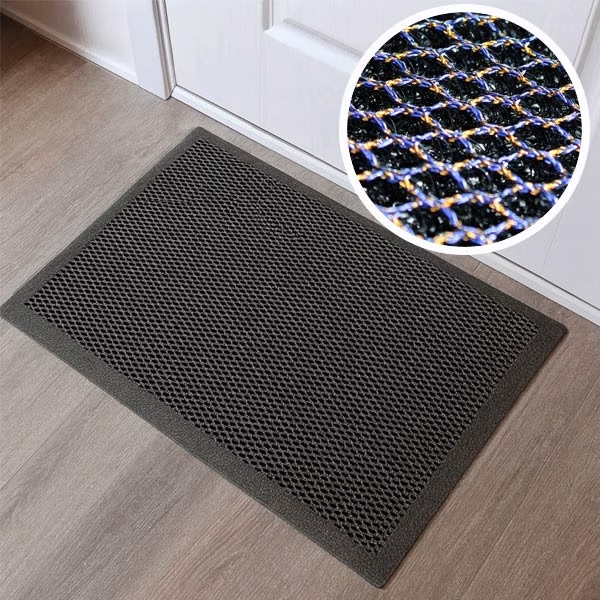
For entrances and front doors, the AeroWeave Entrance Mat (from £39.00) is one of the best barrier mats available for use with LVT and vinyl flooring. Its open-weave construction is excellent at trapping dirt and moisture before it reaches your floor, and it’s made with specialised materials designed to be highly compatible with LVT and vinyl floors.
Coir Mats With PVC Backing: A Natural Fibre Option
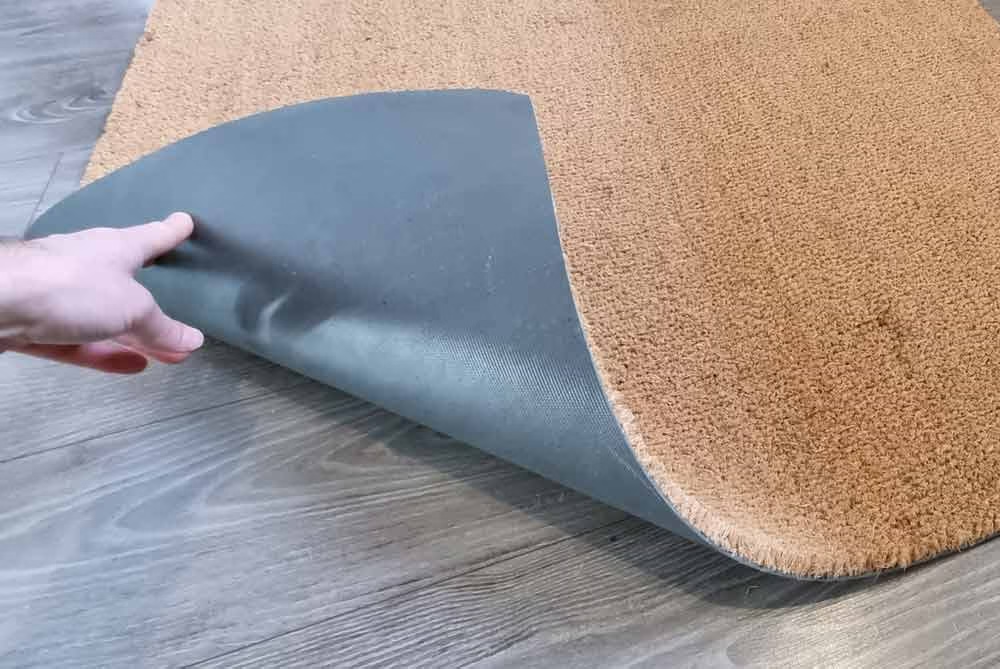
If you love the look of natural fibre matting, coir mats with PVC backing are safe for loose laying on LVT and vinyl floors. The PVC backing avoids the migrating chemicals found in rubber, making it a safer, highly compatible choice for your floor without sacrificing the traditional, natural aesthetic that coir provides.
Our Premium Coir Roll Matting is a popular choice for entrance areas, available in a range of colours and depths. It is commercial-quality coir that offers excellent durability and is available in a traditional natural colour, or more contemporary black, grey and dark brown options.
Teebaud Underlay: A Smart Solution for Existing Mats
If you have a mat you’re particularly fond of, and you’d like to keep using it, Teebaud underlay offers a practical middle ground. Teebaud creates a physical barrier and ventilation layer between the mat backing and your floor surface, reducing direct chemical contact and helping moisture escape.
It will significantly reduce the conditions that allow antioxidant staining to develop. Ensure you have the correct size of Teebaud so that it covers the entire underside, including to the edges of the mat, so it provides a complete barrier. It’s also useful for keeping any mat securely in place on hard floor surfaces, stopping that annoying “mat creep”. You can find Teebaud listed directly in our LVT and vinyl safe mats category.

Chair Mats and Standing Desk Mats for Home Offices
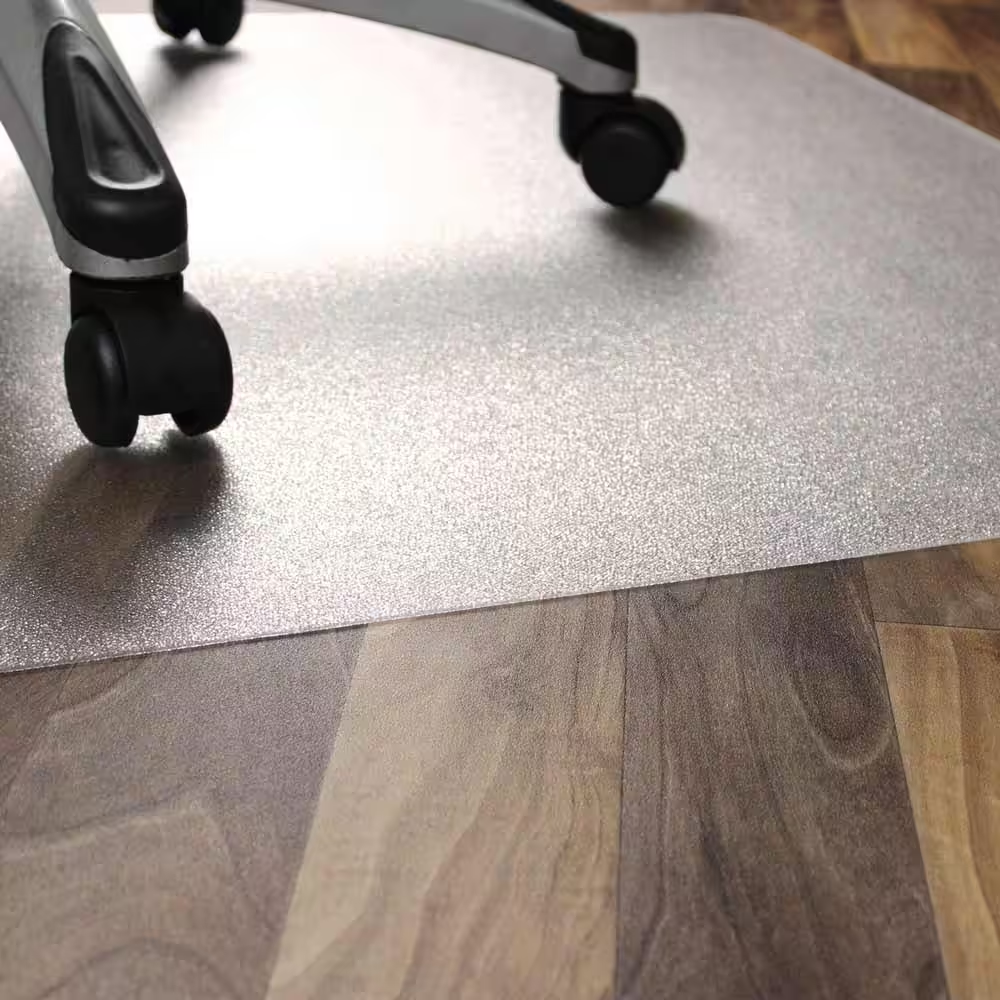
Home offices present their own matting challenges on LVT and vinyl flooring. Castor chairs can cause significant surface wear and indentation over time, and the wrong chair mat can cause the same antioxidant staining issues as any other rubber-backed product.
Clear polycarbonate chair mats are safe and the most popular option for LVT floors. They protect the floor from castors without any risk of chemical transfer, and being almost transparent, they don’t disrupt the look of your flooring.
Anti-Fatigue standing desk mats made with floor-safe materials are also available if you work standing up at a home office desk. Check out our AFS-TEX standing desk mats for a safe solution.
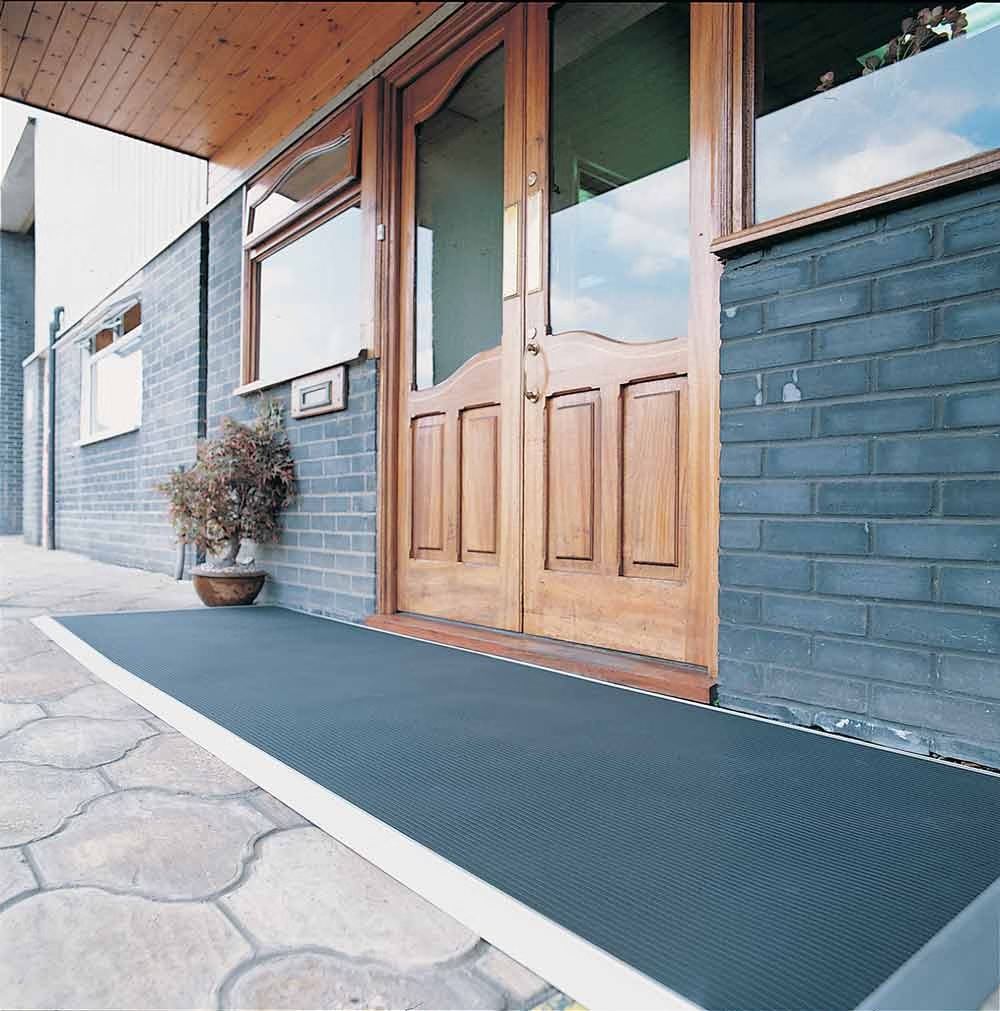
Entrance and Barrier Matting for LVT Flooring: Protecting Your Floor From Outside In
One of the best things you can do for any floor, but especially LVT and LVP flooring, is to stop dirt, grit and moisture at the door before it ever reaches the floor surface. Grit tracked in on shoes is a leading cause of surface micro-scratching on vinyl flooring over time. Consider using an outdoor entrance mat to remove the dirt before it has the chance to get inside.
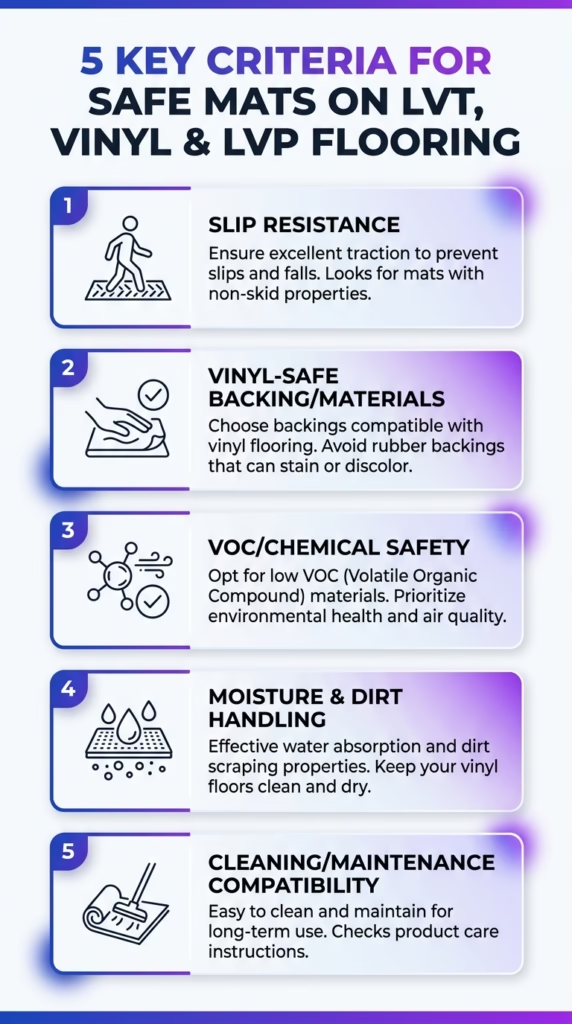
Practical Dos and Don’ts: Mats on LVT and Vinyl Flooring
Here’s a quick-reference guide you can bookmark and come back to whenever you’re buying a new mat or checking in on the ones you already have in place.
Do:
- Choose mats with non-rubber vinyl, PVC or TPE backings to minimise material conflicts
- Use coir mats with PVC backing for a natural-fibre look at entrances
- Use polycarbonate chair mats to protect LVT flooring in home offices
- Use Teebaud underlay beneath existing mats to create a protective air gap
- Lift and air any mat at least once a week to allow the floor to breathe and prevent plasticiser migration
- Clean the floor beneath mats regularly to prevent residue build-up
- Follow the manufacturer’s offical written care and warranty guidelines for your specific flooring brand
- Use barrier matting at entrances to prevent grit and moisture reaching the floor
- Test your new mat in a small, inconspicuous area first and ensure the floor is 100% dry and free of installation adhesive or cleaning chemical residues before positioning.
Don’t:
- Use mats with rubber or latex backing directly on LVT, Amtico, Karndean or vinyl flooring
- Leave any mat in place for extended periods without checking beneath it
- Use rubber-backed mats over underfloor heating — the heat accelerates chemical migration significantly
- Assume that because a rubber-backed mat hasn’t caused problems yet, it won’t in future
- Use oversized mats that restrict airflow and trap moisture against the floor
- Ignore yellowing or discolouration — it won’t resolve on its own and may worsen over time
Did You Know?
Around 80% of all dirt, grit, and moisture found inside UK buildings is trodden in from the outside. A proper entrance barrier mat can trap up to 90% of this before it ever reaches your internal flooring.
Conclusion: The Right Mat for LVT, Vinyl and LVP Flooring Is Worth Getting Right
Choosing the best mats for LVT, vinyl and LVP flooring doesn’t need to be complicated, but it does need to be informed. The difference between a vinyl or TPE backed mat and a rubber-backed one can be the difference between a floor that looks beautiful for years and one that develops permanent, uncleanable yellowing you can’t reverse.
The key takeaway is simple: avoid rubber and latex-backed mats on your LVT or vinyl flooring, especially if you have underfloor heating. Choose vinyl or TPE backed mats, coir mats with PVC backing, or barrier mats that are designed specifically to be safe on your floors. If you want to keep using an existing mat, Teebaud underlay provides a meaningful layer of protection.
You’ve invested in a beautiful floor. The right mat will complement it, protect it and keep it looking its best for years to come. Browse our full range of LVT and vinyl safe mats to find the perfect fit for every doorway, hallway and room in your home.
Frequently Asked Questions
Can I use a rubber-backed mat on LVT flooring?
We strongly advise against placing rubber-backed mats directly on LVT flooring. The rubber contains a chemical called BHT (Butylated Hydroxytoluene) that can migrate into the vinyl wear layer and cause permanent yellowing, known as antioxidant staining. Major brands, including Amtico and Karndean, explicitly warn against rubber-backed mats in their care guides.
What type of mat backing is safe for vinyl and LVT floors?
Vinyl (PVC) backing or TPE backings are highly recommended options, as they do not contain the rubber-bound chemicals that cause antioxidant staining, drastically reducing the risk of floor discolouration.
Can vinyl-backed mats interact with vinyl flooring?
While vinyl backings are free from rubber antioxidants and won’t cause permanent yellow chemical burning, leaving any flexible vinyl mat entirely undisturbed on an LVT floor for long periods can occasionally lead to minor ‘plasticiser migration’ (causing faint surface dulling). This is preventable by simply lifting and airing your mat once a week.
Will a rubber-backed mat definitely damage my LVT floor?
Not necessarily, but the risk is real, and the outcome is unpredictable. Factors such as underfloor heating, the specific LVT formulation and the quality of the rubber backing all influence whether staining occurs. Because any staining that does occur is permanent, choosing a vinyl-backed mat and following proper care instructions is the best way to safeguard your investment.
What if I receive conflicting advice about which mats are safe for LVT?
Whether it comes from a salesperson, a floor fitter, or an unverified online source, conflicting advice is common. When protecting your floor and your investment, official written documentation always overrides verbal advice.
Top UK flooring brands are explicit in their printed care guides:
- Amtico guidelines state to strictly “avoid the use of rubber or latex backed mats” and instead choose “matting compatible with PVC flooring.” (source: Amtico Wear & Care Leaflet / Amtico Technical Maintenance Guide (Signature and Spacia ranges))
- Karndean care manuals mandate that homeowners “ensure mats are non-rubber backed to prevent any discolouration.” (source: Karndean Floor Care Guide)
Because our ranges feature 100% rubber-free vinyl backings, they provide the exact PVC-compatible material alternative required by these written guidelines to keep your flooring warranty fully intact.
Does underfloor heating make rubber-backed mats more dangerous on LVT flooring?
Yes, significantly. Warmth accelerates the chemical migration of BHT from the rubber backing into the plasticisers in vinyl flooring, meaning staining can occur much more quickly over underfloor heating than on a cold floor. If you have UFH, choosing a vinyl-backed or PVC-backed mat is especially important.
What is antioxidant staining on vinyl flooring?
Antioxidant staining is the yellowing or discolouration of LVT and vinyl flooring caused by BHT migrating from rubber or latex mat backing into the floor’s wear layer. It is a chemical reaction within the flooring itself rather than a surface stain, which means it cannot be removed by cleaning. The Flooring Industry Technical Association (FITA) and major manufacturers recognise it as a known risk.
Are coir mats safe to use on LVT or Karndean flooring?
Coir mats with a PVC backing are safe for loose laying on LVT and Karndean flooring, as the PVC backing does not utilise the rubber antioxidants known to trigger staining. Check that the mat you’re considering has a PVC or vinyl backing rather than a latex or rubber one before purchasing.
Is a Teebaud underlay worth using if I want to keep my rubber-backed mat?
Teebaud underlay creates a physical barrier and ventilation layer between a mat and your LVT floor, which reduces direct chemical contact and helps moisture escape. It meaningfully lowers the risk of antioxidant staining without requiring you to replace your existing mat, making it a practical solution for those who want to retain a mat they already own.