 0121 312 3222 (Mon-Fri)




Choosing the Best Mats for Wet Weather

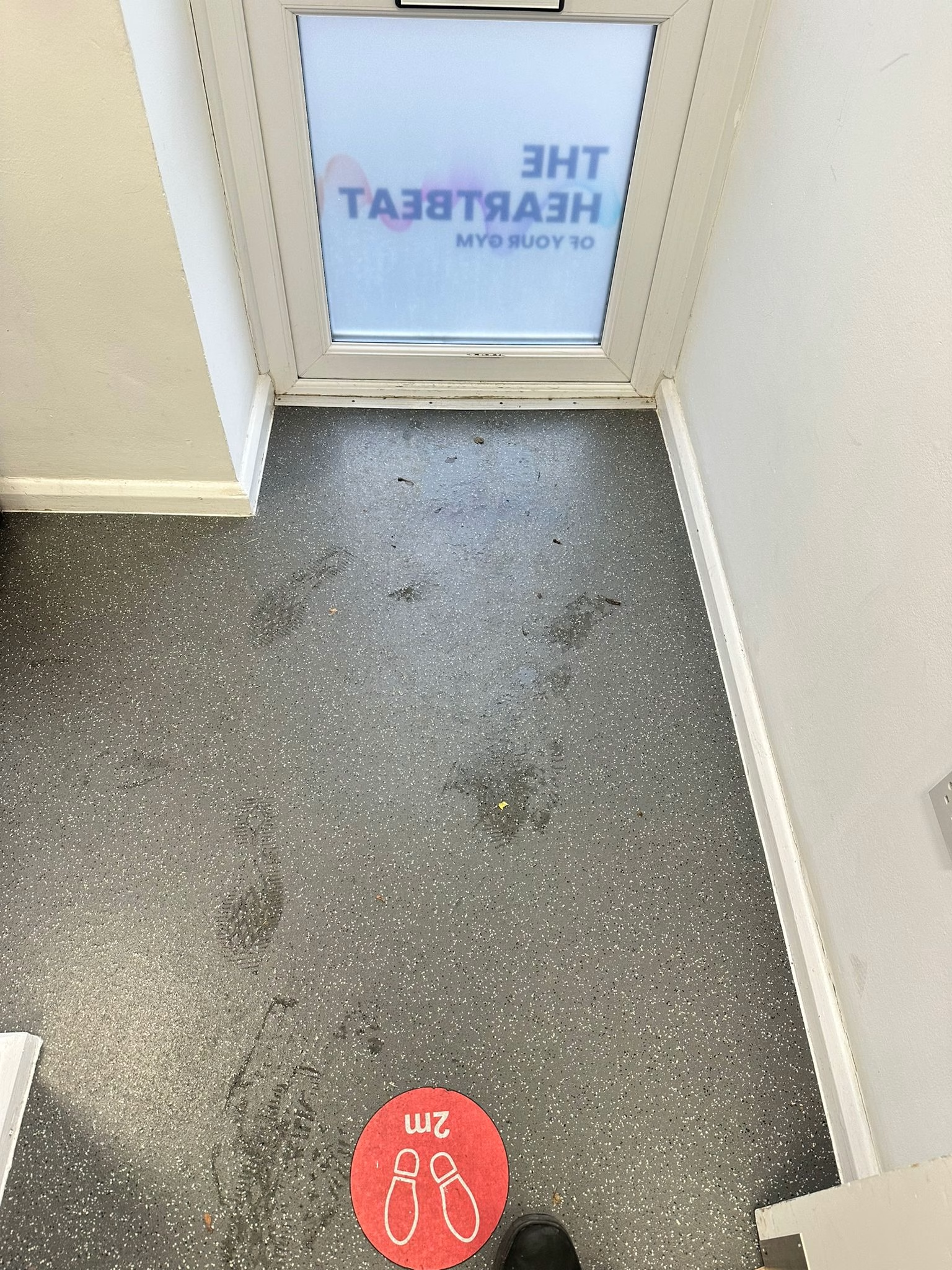
When British weather turns wet (let’s be honest, most of the year), the importance of quality entrance matting becomes very apparent. Wet, muddy footfall can quickly turn pristine floors into hazardous, slippery and dirty surfaces. However, with the right matting system in place, you can protect your premises, keep visitors safe and maintain a professional appearance regardless of what’s happening outside.
Understanding Absorbent Mats
Absorbent mats are specifically engineered to tackle moisture head-on. Absorbent mats draw water away from footwear, preventing it from being tracked throughout your building. Key features include high-capacity fibres that can hold several times their weight in water, quick-drying materials that prevent saturation and anti-slip backing to prevent movement even when wet.
Materials like microfibre and cotton blends excel at absorption, making them ideal for the wet British climate. In high traffic entrances cotton may not be able to dry quickly enough, so a synthetic fibre, such as Microfibre, is preferable. For maximum effectiveness, absorbent mats should be positioned immediately inside your entrance, where they can capture moisture before it spreads into your premises.
Mat recommendations: Velour Microfibre Ultra Absorbent Mat and Absorb Eco Microfibre Heavy Duty Mats
The Power of Bi-Level Mats: Scraping and Absorbing Combined
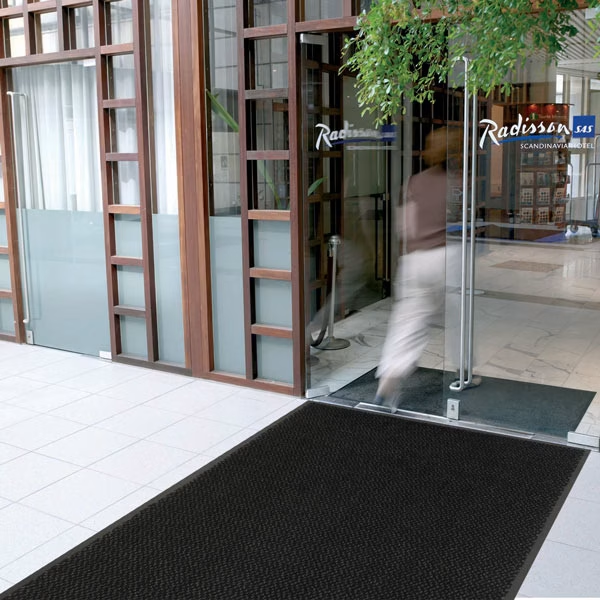
Bi-level mats represent a significant advancement in entrance matting technology. These innovative mats feature a two-tier design that combines aggressive scraping with excellent water retention. The raised surface scrapes heavy debris and moisture from footwear, whilst the lower level catches and holds the removed dirt and water. This clever design prevents moisture and debris from being ground back onto shoes and tracked into your building.
Bi-level mats can remove up to 90% of dirt and moisture in the first few steps and are particularly effective in the first interior position of a matting system, where they encounter the worst of wet weather conditions.
Mat recommendations: Aqua Rib Heavy Duty, Aqua Barrier Heavy Duty and SentryRib Pro
Getting the Size Right Mat: Matching Mat Size to Foot Traffic
One of the most common mistakes is choosing mats that are too small for the traffic volume. Research shows that people need to take between 6-8 steps on matting to remove the majority of moisture and debris from their footwear. This translates into specific length requirements based on your traffic levels.
For low traffic areas (under 50 daily visitors), use a minimum 1.5 metres in the direction of travel. Medium traffic areas (50-200 visitors) need 2.5-3 metres. High traffic locations (200+ visitors) require 3-4.5 metres minimum, whilst very high traffic areas or those experiencing severe weather need 4.5+ metres. Remember, it’s better to err on the side of having too much matting than too little, an undersized mat simply moves the problem further into your building where it can be more difficult to accommodate, rather than solving it.
Strategic Mat Positioning: Maximising Effectiveness
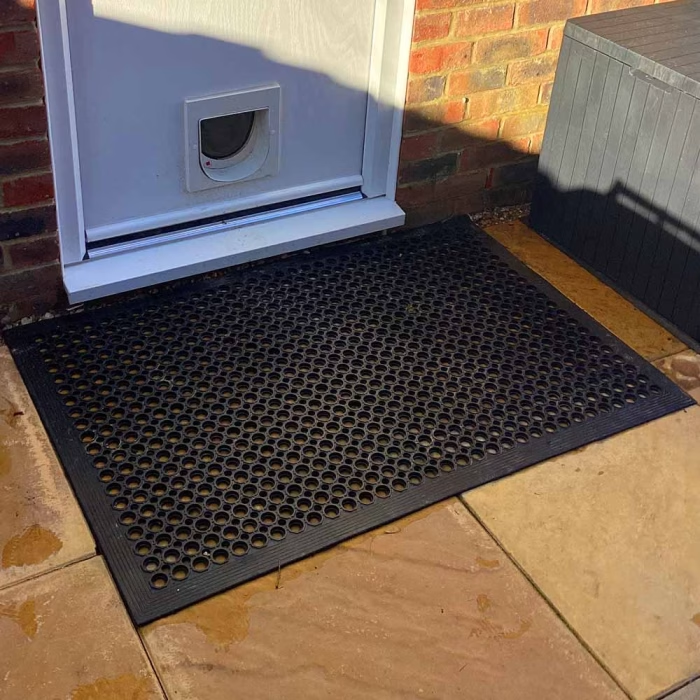
Where you place your mats is just as important as the mats themselves. Strategic positioning ensures maximum moisture removal and creates natural traffic flow patterns. Place a heavy-duty rubber scraper mat, such as the Rubber Ramp Mat, outside the door as your first line of defence, removing the bulk of heavy mud, grit, and surface water. Position your primary absorbent mat within 20cm of the threshold to capture any moisture that passed the exterior mat.
Don’t forget transitional spaces like reception areas, and corridors leading from entrances. These areas benefit from additional matting to catch any remaining moisture.
The Three Mat System: Professional Protection against Wet Weather
For ultimate protection against wet weather, particularly in commercial or high-traffic environments, a three-mat system provides comprehensive defence. This approach uses different mat types in sequence, each performing a specific function.
Zone 1 – Exterior Scraper Mat: Removes heavy debris, mud, and surface water using rubber or metal scraper materials. This exterior mat bears the brunt of wet weather conditions, so choose materials that won’t deteriorate under UV exposure, freezing temperatures, or constant moisture. Recommendation: Rubber Ramp Mat or Rubber Scrape
Zone 2 – Primary Bi-Level Mat: This is your workhorse mat, positioned immediately inside the entrance. High-capacity absorbent materials with microfibre or synthetic blends allow 4-6 steps for thorough moisture and dirt removal. Recommendation: Aqua Rib or Aqua Barrier
Zone 3 – Finishing Mat: The finishing mat absorbs any residual moisture and finer dirt. This mat often features your brand colours or complements your interior design whilst maintaining functionality. Recommendation: Shades Heavy Duty, Absorb Eco Microfibre or Kaleidoscope Heavy Duty Logo Mat
Don’t be afraid to increase your matting coverage during autumn and winter months. Temporary additional mats can be deployed during the wettest periods and removed when conditions improve.

Maintenance Matters: Keeping Your Mats Effective
Even the best mats won’t perform effectively if they’re poorly maintained. During wet weather periods, your mats are working harder than ever, so they need regular attention. Daily maintenance should include vacuuming or shaking out loose dirt and debris, checking for saturation, damage or movement.
Weekly maintenance involves deep vacuuming or machine cleaning as appropriate, and occasional cleaning beneath mats to prevent mould or mildew buildup.
Conclusion: Investing in Protection
Wet weather doesn’t have to mean dirty floors, safety hazards, or increased cleaning and maintenance costs. By selecting the right combination of absorbent and bi-level mats, sizing them appropriately for your traffic levels, positioning them strategically, and considering a comprehensive three-mat system, you can effectively combat even the worst of British weather.
Quality matting is an investment that pays returns through reduced cleaning costs, lower maintenance of interior floors, decreased slip-related incidents, and a consistently professional appearance. At Trusted Mats, we understand the unique challenges of keeping British buildings clean and safe during wet weather. Contact us today to discuss your specific requirements and discover how the right matting solution can transform your entrance areas.